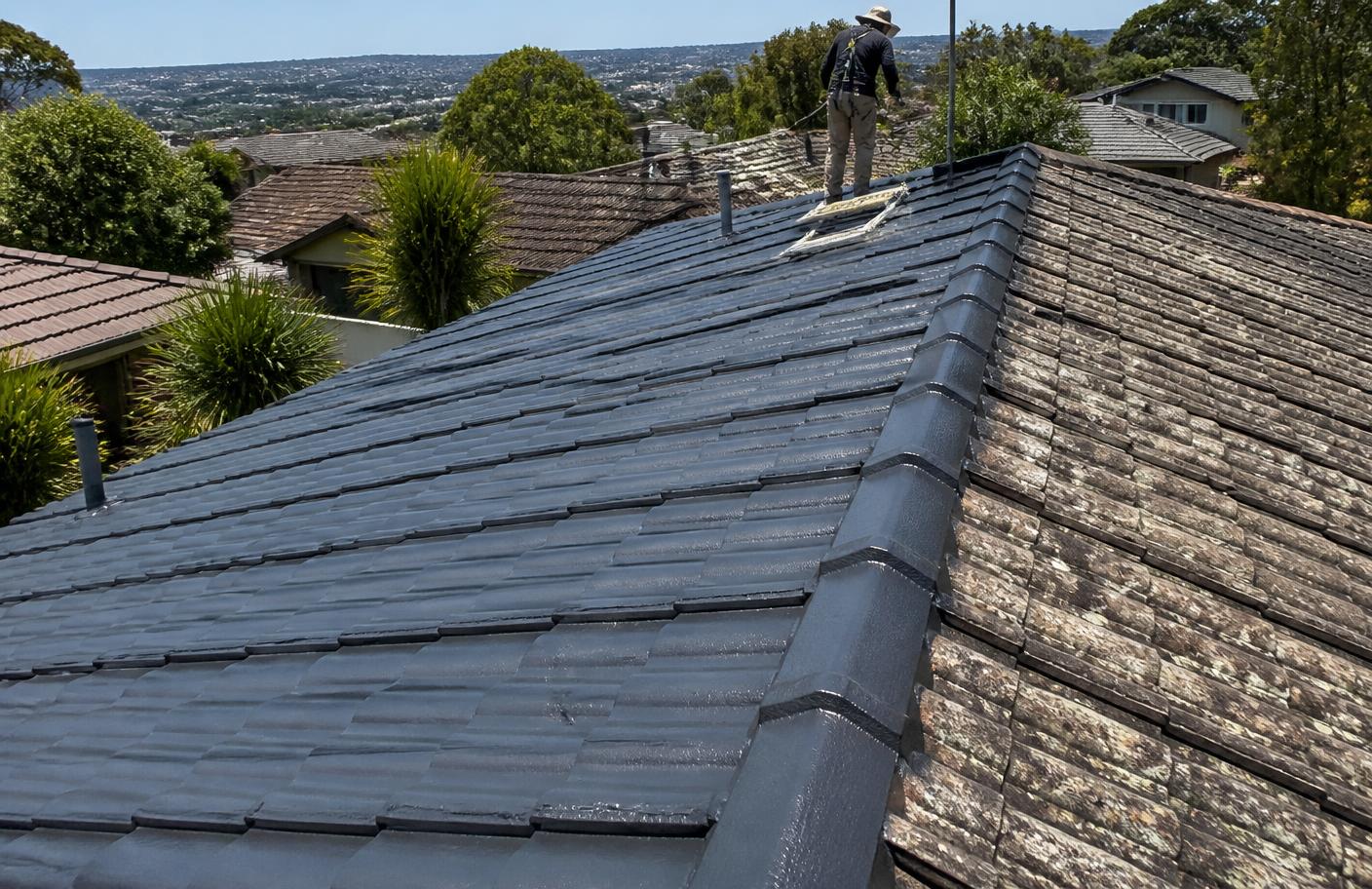
Roof Restoration vs Roof Replacement: How to Decide
Restoration buys years on a sound roof. Replacement is the right call when the structure underneath has gone. Here is how to tell which one your Geelong roof needs.
Roof restoration in Geelong is the process of taking a structurally sound but worn roof and returning it to a weatherproof, sealed condition — rather than replacing it. It is a staged job, not a single task: clean, repair, rebed, repoint, prime and coat, with each stage depending on the one before it being dry and sound. We travel to your property, assess whether the roof is genuinely a restoration candidate, and tell you straight if it is not. Restoring a roof that should be replaced wastes your money, and we would rather lose the job than take it.
Free inspection • No call-out fee • Written fixed-price quote
Roof restoration in Geelong is the process of taking a structurally sound but worn roof and returning it to a weatherproof, sealed condition — rather than replacing it. It is a staged job, not a single task: clean, repair, rebed, repoint, prime and coat, with each stage depending on the one before it being dry and sound. We travel to your property, assess whether the roof is genuinely a restoration candidate, and tell you straight if it is not. Restoring a roof that should be replaced wastes your money, and we would rather lose the job than take it.
The reason restoration is so common across Geelong is the age profile of the housing stock. Vast areas of the city were roofed in concrete tile between the 1950s and 1970s, using tiles with a surface colour coating rather than through-body colour. Those coatings have now worn off, leaving porous grey concrete that absorbs water, grows moss and gets heavier every wet winter. Suburbs like Belmont and East Geelong reached this stage almost simultaneously, which is why whole streets there look the same.
Start with a free inspection from Roof Repair Geelong, or contact us if you want to discuss the signs you have noticed before booking.
Call Now +61 7 4428 2846A restoration is a defined sequence of work. Every stage below is included in a full restoration quote, and each one is listed separately so you can see what you are paying for.
Restoration does not include structural repairs to rafters or battens, replacement of the roof frame, asbestos removal, internal ceiling repair, or solar panel removal and refitting. If the inspection reveals any of those, we identify it clearly so you can arrange the right trade before restoration begins.
The original colour was a surface coating. Once it is gone the tile body is exposed, and exposed concrete absorbs water. A wet, porous tile is heavier, slower to dry and far more hospitable to moss than a sealed one.
Growth establishes where the surface stays damp. It holds water against the tile, lifts at the edges and works into lap joints. It is a symptom of porosity, which is why cleaning alone does not keep it away.
Isolated pointing failure is a repair. Failure along the majority of ridges and hips means the whole bedding system is at the end of its life, and rebedding as part of a restoration costs less than repeating repairs ridge by ridge.
Scattered cracking across the roof rather than in one area suggests general brittleness from age, hail impact or foot traffic. Replacing them individually over successive visits costs more than doing it once inside a restoration.
Uneven colour, dark streaking below ridge lines and visible growth are the cosmetic side of the same wear. On a house you plan to sell, this is often the single most visible sign of deferred maintenance.
We determine whether the roof is a genuine restoration candidate: tile body sound, structure sound, defects cosmetic and surface-level rather than structural. If it is not, we say so and explain why.
High-pressure cleaning strips moss, lichen, dirt and loose coating from the surface. This stage often reveals cracked tiles that were hidden under growth, which is why repairs follow cleaning rather than precede it.
Broken tiles are replaced, old bedding mortar is removed, ridge and hip caps are rebedded and then pointed with a flexible compound that moves with the roof instead of cracking against it.
A sealing primer closes the porous tile surface, then two coats of protective membrane go on in the colour you have chosen. Coats are applied with proper drying time between them, which is why weather affects scheduling.
We walk the finished roof, check coverage at ridges, valleys and edges, clear gutters of any debris created during the work and remove all rubbish from site.
Restoration sits between isolated repair and complete replacement. It is appropriate when the roof covering and structure remain serviceable but the surface, ridge system and scattered tiles need coordinated renewal. The decision should follow inspection, not appearance alone. A faded roof may still be sound, while a roof that looks reasonable from the street can hide brittle tiles or widespread bedding failure. Our proposal separates essential preparation from optional colour choices so you can see what delivers weather protection and what changes presentation.
The sequence matters in Geelong's variable weather. Moss and lichen must be removed, damaged tiles replaced, failed bedding renewed and flexible pointing completed before primer or membrane is applied. Coating over moisture, loose growth or unstable mortar can make a roof look finished without fixing what sits underneath. We schedule stages around suitable conditions and explain how rain or cold temperatures may affect timing. That approach protects the bond between coats and avoids rushing work simply to meet an unrealistic date.
Restoration pricing follows the roof, not a rate card. Two houses on the same street with the same footprint can differ substantially once you account for pitch, the number of ridge and hip lines, how many tiles need replacing and how much cleaning the surface needs. Pitch matters more than most people expect: a steep roof takes longer to work safely, needs more fall protection and slows every stage of the job. We put the figure in writing after we have measured and photographed your roof, and that written price covers the full described scope.
Free on-site inspection, written fixed-price quote — no obligation.
Restoration quotes vary enormously in what they actually include. These questions expose the difference.
Repointing over failed bedding is cosmetic and will not last. If the bedding mortar is crumbling, it must come off and be replaced. A quote that is notably cheap has often left rebedding out.
Two coats over a sealing primer is the standard that gives proper coverage and film thickness. A single-coat job looks the same for a season and then does not.
Cleaning, repairs, rebedding, repointing and priming all happen before any colour goes on. Coating over an unprepared surface traps the problem underneath and it fails from below.
Not every roof should be restored. Where the tile body has failed or the structure is compromised, restoration is money spent on a roof that still needs replacing. We tell you at inspection, not halfway through.
Where bedding mortar has broken down we remove it and rebed properly. Pointing applied over failed bedding looks finished and behaves like nothing was done.
Geelong's day-to-night temperature swings crack rigid mortar. Flexible pointing accommodates that movement, which is the whole reason it exists.
We schedule around the weather rather than pushing through it. Coating applied to a damp surface or recoated too quickly fails early, and rushing the sequence is the most common reason restorations disappoint.
You get a single fixed figure covering clean, repair, rebed, repoint, prime and coat — not a base price with the important stages priced as extras.
A properly restored concrete tile roof, cleaned back to a sound surface, rebedded, repointed with flexible compound and coated with a primer plus two membrane coats, gives many years of renewed weatherproofing and appearance. What shortens that life is almost always preparation: coating over moss, pointing over failed bedding, or skipping the primer so the membrane never bonds to the porous surface. Exposure matters too — an unshaded roof on an open block in <a href="/roof-repair-geelong-rippleside">Rippleside</a> takes far more UV than a tree-shaded roof in <a href="/roof-repair-geelong-newtown">Newtown</a>. Restoration renews the surface and the ridge system; it does not make the roof permanent, and any contractor suggesting otherwise is overselling.
Restoration involves water, equipment and staged access around the building. Before work begins, we discuss driveway use, garden protection, pets, washing lines and any rainwater tanks connected to the roof. Vehicles should be moved clear while cleaning is underway, and tank inlets may need temporary diversion. These practical details are included in the work plan rather than left for the first morning.
We provide roof restoration across Geelong West, East Geelong, South Geelong, Drumcondra, Newtown, Thomson, Manifold Heights, Rippleside, Belmont and Breakwater, with no travel fees within the region. The roof stock changes noticeably between these suburbs: older terracotta profiles are common in established inner streets, while broad areas of postwar Geelong use concrete tiles whose original surface has weathered away. Coastal exposure can accelerate wear on metal accessories, and shaded streets can hold moisture long enough for lichen to return quickly after cleaning alone. We travel to the property, inspect the roof as a complete system and explain whether restoration, targeted repair or replacement is the sensible path. Each suburb link contains local information about roof types and exposure. Visit the service areas hub for the complete coverage map, or contact us if your property sits close to the edge of the listed region. Review every covered location on our Geelong service areas page.
Contact us to confirm availability for a nearby location.
If the tile body and the roof structure are sound, restoration delivers a weatherproof, renewed roof at a fraction of the disruption of replacement. If the tiles themselves are failing or the structure has moved, replacement is the better spend. We give you our honest read after inspecting.
Typically several working days for a standard single-storey Geelong home, spread according to weather because each stage needs the previous one dry. We give you the expected sequence in writing so there are no surprises about what happens on which day.
Yes, though the process differs. Metal roofs are cleaned, treated for corrosion, have fixings and washers replaced where needed, and are then recoated. Sheets that are perforated get replaced rather than coated over.
Location does not change our pricing. The roof does. There is no travel loading for any suburb in our service area, including the outer localities.
It will fix leaks caused by cracked tiles, failed pointing or deteriorated valleys, because all of that is repaired during the process. It will not fix a leak caused by a structural or flashing defect, which is why we trace the leak before quoting rather than assuming restoration covers it.
Restoration buys years on a sound roof. Replacement is the right call when the structure underneath has gone. Here is how to tell which one your Geelong roof needs.
Bedding, pointing, ridge caps — the three terms roofers use interchangeably that actually mean different things, and why the distinction changes your quote.
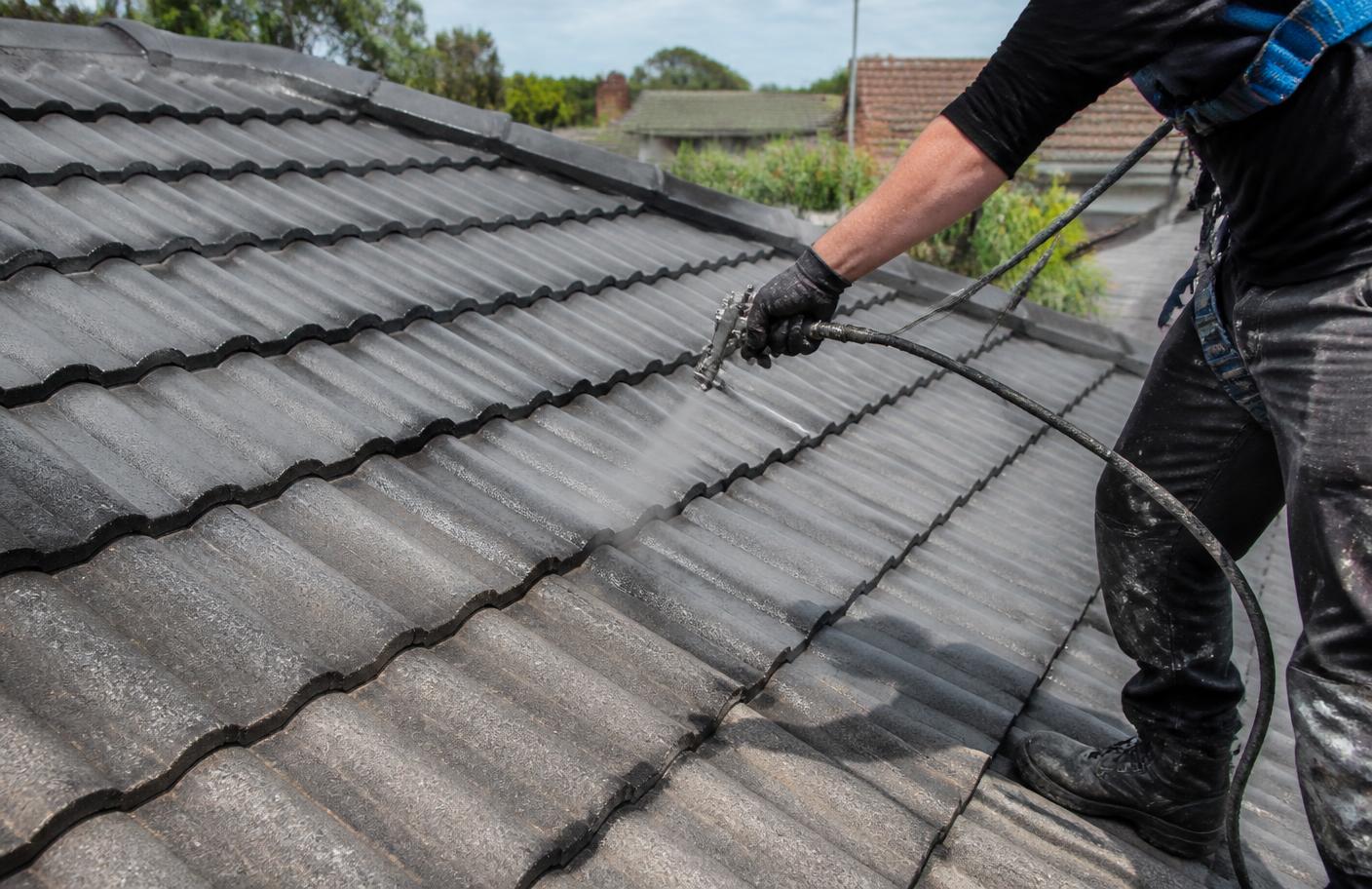
A roof coating transforms how a roof looks and adds protection to a sound surface. It does not repair a failing roof. Here is the honest boundary.
⚡ Storm or hail damage? Priority response available
Call now or send the form to arrange a free on-site inspection and receive a written fixed price before we touch anything.