Roof Painting: What It Does and What It Does Not Fix
By The Roof Repair Geelong Team · 25 August 2026 · cost guides
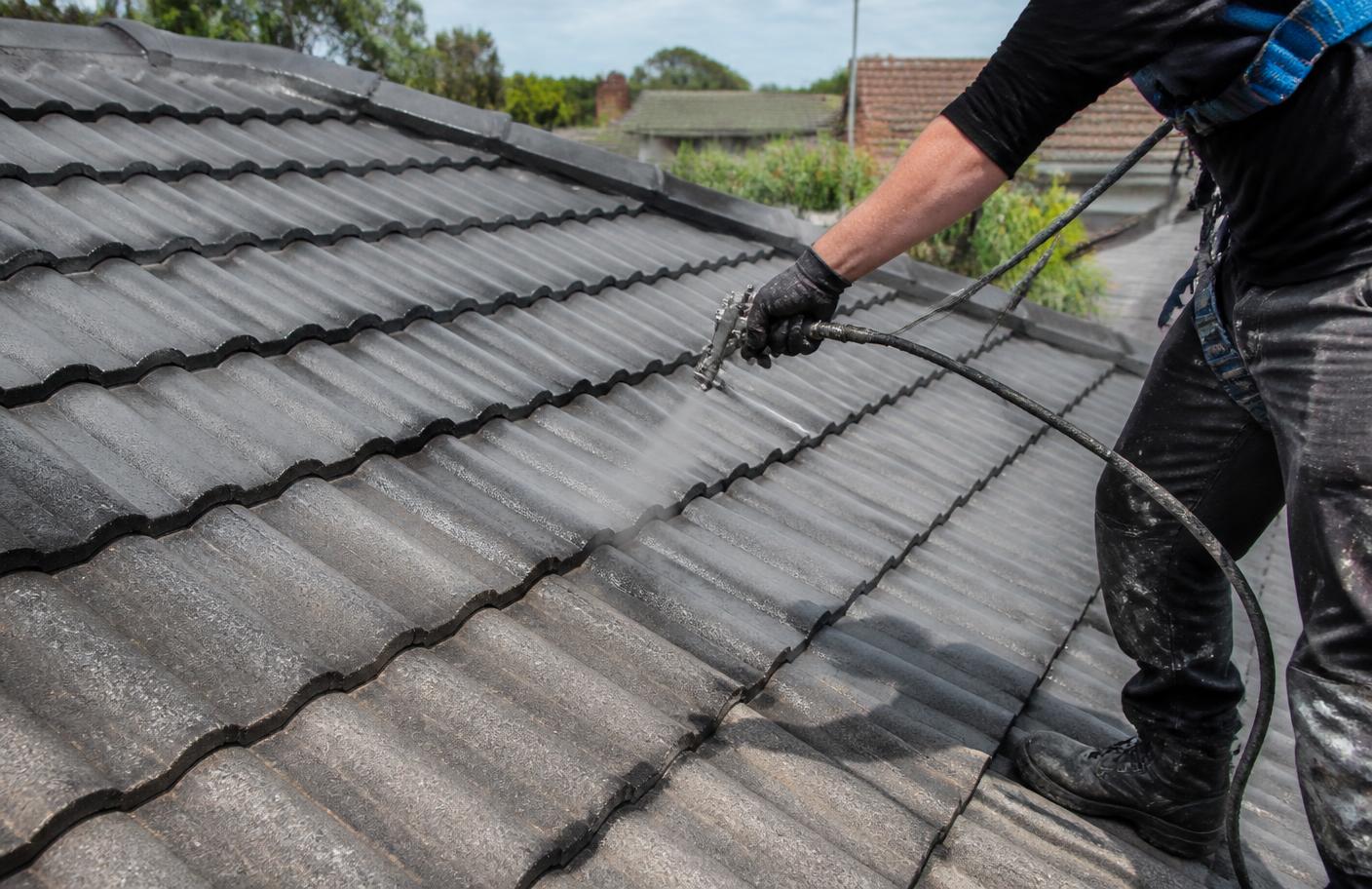
A roof coating transforms how a roof looks and adds protection to a sound surface. It does not repair a failing roof. Here is the honest boundary.
Roof painting gets sold as a cure for a tired roof. On the right roof, properly prepared, it genuinely extends surface life and transforms the appearance of a house. On the wrong roof, it is expensive paint over a problem that carries on underneath.
What a roof coating actually does
A modern roof coating system seals a porous surface, restores colour, and adds a UV-resistant protective layer. On concrete tile — extremely common across postwar East Geelong, Belmont and Thomson — the original colour was a surface coating, not through-body pigment. Once that has weathered away, the tile face is raw, porous concrete, and sealing plus coating genuinely helps it shed water rather than absorb it.
What preparation involves
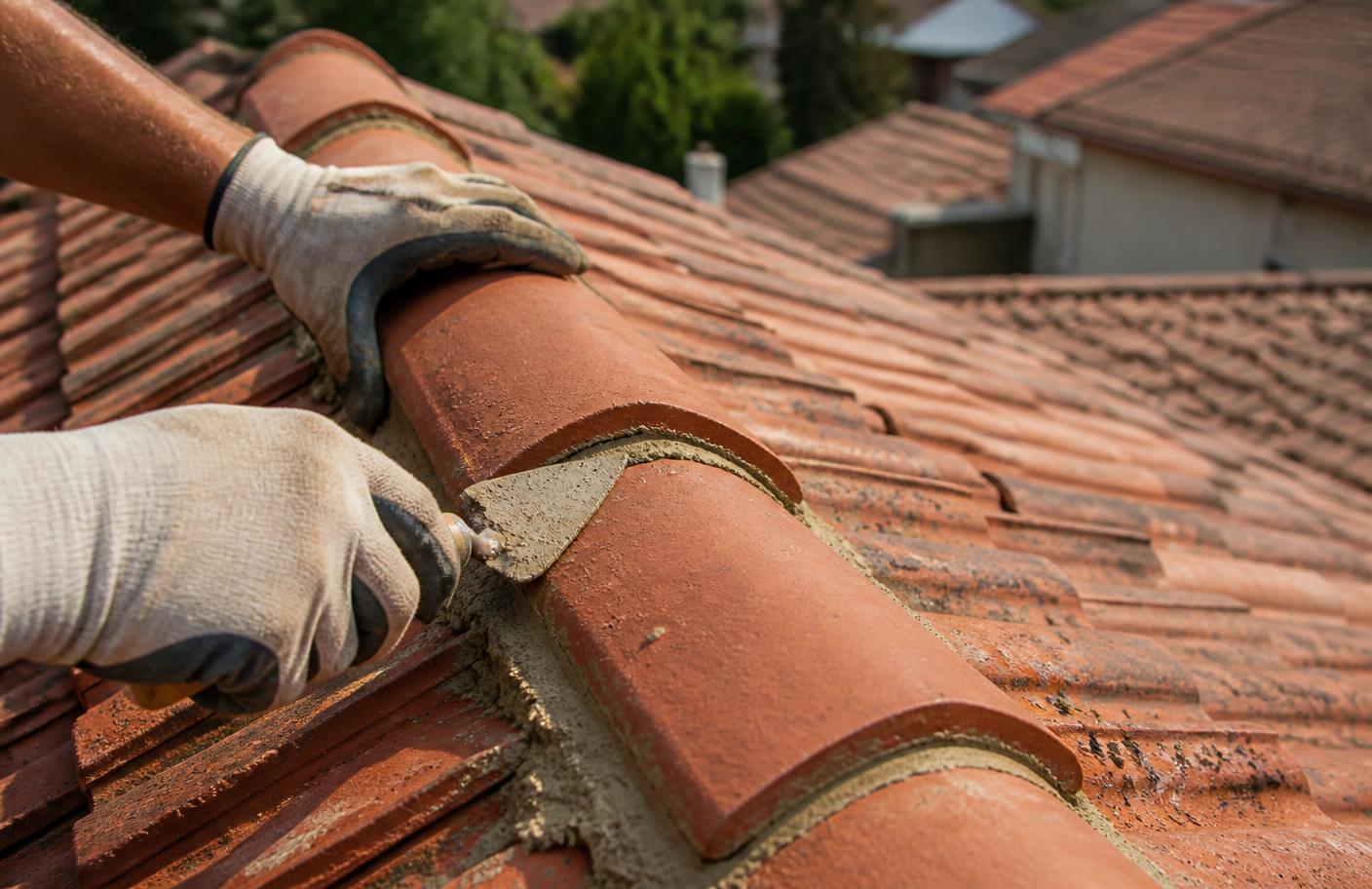
Preparation is where the result is decided. The roof is cleaned to remove moss, lichen, dirt and loose material. Broken tiles are replaced. Ridge caps are rebedded or repointed as required. The surface is then sealed before the colour coats go on. Coating applied over a dirty or unsealed surface fails early and peels, which is the most common complaint about roof painting generally.
What painting does not fix
- A leak. Paint is not a waterproofing membrane and will not seal a hole or a failed flashing.
- Failed bedding under ridge caps. That is a rebedding job and must happen first.
- Rusted valley irons. Those need replacing, not coating over.
- Rotted battens or degraded sarking. Those are structural and sit underneath the tiles.
- Tiles that have become structurally porous all the way through.
Metal roofs
Recoating a metal roof is a different process. Surface rust must be treated, loose coating removed, cut edges and fixings addressed, and a primer suited to the substrate applied. Painting over active corrosion simply hides it while it continues underneath.
How to judge a roof painting quote
Read the preparation section first. A quote that lists cleaning, tile replacement, ridge work and sealing before the coats is describing a restoration. A quote that lists only coats of paint is describing a cosmetic job that may not last. Ask how many coats, what product, and what the product warranty covers.
When painting is the right call
When the roof structure is sound, the bedding is good or being addressed in the same job, there are no active leaks, and the tiles are structurally fine but look tired. In that situation the result is genuinely worth it, both for appearance and for surface protection.
When it is not
When there is an unresolved leak, when the battens are suspect, or when the roof is a replacement candidate. Painting a roof that needs replacing is money you will spend again.
Geelong's climate and why prep is non-negotiable
Roof coatings in Geelong are asked to work harder than they would in a milder climate. Long dry summers with intense UV exposure bake a coating and accelerate the breakdown of anything applied over a poorly prepared surface, while damp winters push moisture into any pinhole or lifted edge that inadequate prep leaves behind. Add the salt-laden air that drifts inland from Corio Bay, particularly noticeable around Rippleside, Drumcondra and the western beaches suburbs, and you have an environment where a rushed cleaning and sealing step shows up as peeling and flaking within a couple of years rather than lasting the decade or more a properly prepared coating should achieve. This is the main reason a cheap "pressure wash and paint" job disappoints, while a properly sequenced restoration holds its colour and seal for a long time.
Concrete tile versus terracotta for coating
Postwar concrete tile, common across East Geelong, Belmont, Highton and Thomson, was manufactured with a surface colour layer over a grey concrete body. That surface layer weathers off over decades, leaving a porous, thirsty tile face that genuinely benefits from sealing and coating because raw concrete otherwise absorbs water like a sponge. Terracotta tile, more common on Edwardian and interwar homes in Geelong West and Newtown, has colour fired through the body of the tile rather than coated on, so terracotta does not need colour restoration in the same way — but it can still benefit from a breathable sealer if it has become porous with age, and painting terracotta the wrong colour or with the wrong product can look completely out of place on a heritage streetscape.
How coating failure actually happens
- Coating applied over moss or lichen that was not fully removed, so the coating bonds to organic growth rather than the tile and lifts away in sheets
- Coating applied over a damp surface after inadequate drying time, trapping moisture underneath the film
- Too few coats or coats applied too thin, leaving the UV-resistant top layer too weak to survive a Geelong summer
- Coating carried straight over cracked or degraded pointing, which continues to fail underneath a fresh-looking roof
- Colour coats applied without a compatible sealer underneath, so the tile keeps absorbing moisture from below the coating film
What an inspector actually checks before quoting a coating job
Before recommending roof painting, we walk the whole roof and check for cracked or slipped tiles, the condition of bedding and pointing at every ridge and hip, the state of valley irons where visible, and any staining inside the roof space that would indicate an active leak. We also check how porous the existing tile surface is, because a tile that is only mildly weathered may only need a light clean and seal, while a heavily weathered tile needs a proper primer coat before colour goes on. Skipping this step is exactly how a homeowner ends up with a nice-looking roof that starts leaking within a season, because the coating was applied over problems that needed fixing first, not painting over.
Realistic maintenance expectations after coating
A well-prepared and properly applied coating system on tile should hold its colour and seal for many years, but it is not maintenance-free forever. We recommend a visual check every couple of years, more often after a severe hailstorm, since hail can chip the coating film even where it does not crack the tile underneath. Gutters should be checked for granule or coating residue washing off, which is normal in small amounts in the first year as the system cures and settles, but ongoing heavy residue after that point suggests the coating is breaking down early and is worth a follow-up inspection.
When roof painting is worth calling about
If your roof colour has visibly chalked or faded, if you can see the tile surface looking rough and porous rather than smooth, or if a previous coating job is now peeling in patches, those are all good reasons to get an inspection. Equally, if you are unsure whether your roof's real problem is cosmetic or structural, an inspection before committing to paint is the only way to know which one you are actually dealing with.
Metal roof recoating in a coastal climate
Recoating a Colorbond or older zincalume roof near the bay is its own specialty within roof painting. Salt air accelerates corrosion at cut edges, screw fixings and any point where the factory coating has been scratched or worn through, so the prep for a metal recoat has to include a genuine assessment of how far corrosion has progressed, not just a wash and repaint. Where corrosion has only affected the surface, treating it, priming with a rust-inhibiting primer and recoating can add meaningful life to the roof. Where corrosion has gone through the metal, particularly around fixings or at the bottom of a sheet run, that section needs replacing rather than coating, because paint over a hole is still a hole.
We quote roof painting as part of a restoration with the preparation itemised, and we will tell you when the honest answer is that your roof needs something else first.
Frequently Asked Questions
Will roof painting stop my roof leaking?
No. A coating is not a waterproofing membrane. Leaks come from broken tiles, failed flashings, rusted valleys or failed bedding, and each of those needs its own repair before any coating is applied.
How long does a roof coating last?
On a properly prepared, sound roof it provides many years of colour and surface protection. Preparation quality matters more than the product: coating over an unsealed or dirty surface fails early.
Can concrete tiles be painted?
Yes, and they are the most common candidate. Postwar concrete tile had surface-applied colour that weathers away, leaving porous grey concrete that benefits from sealing and coating.
Should ridge capping be done before painting?
Always. Rebedding or repointing after the coats have gone on damages the finish, and coating over failed bedding hides a defect that will keep getting worse.