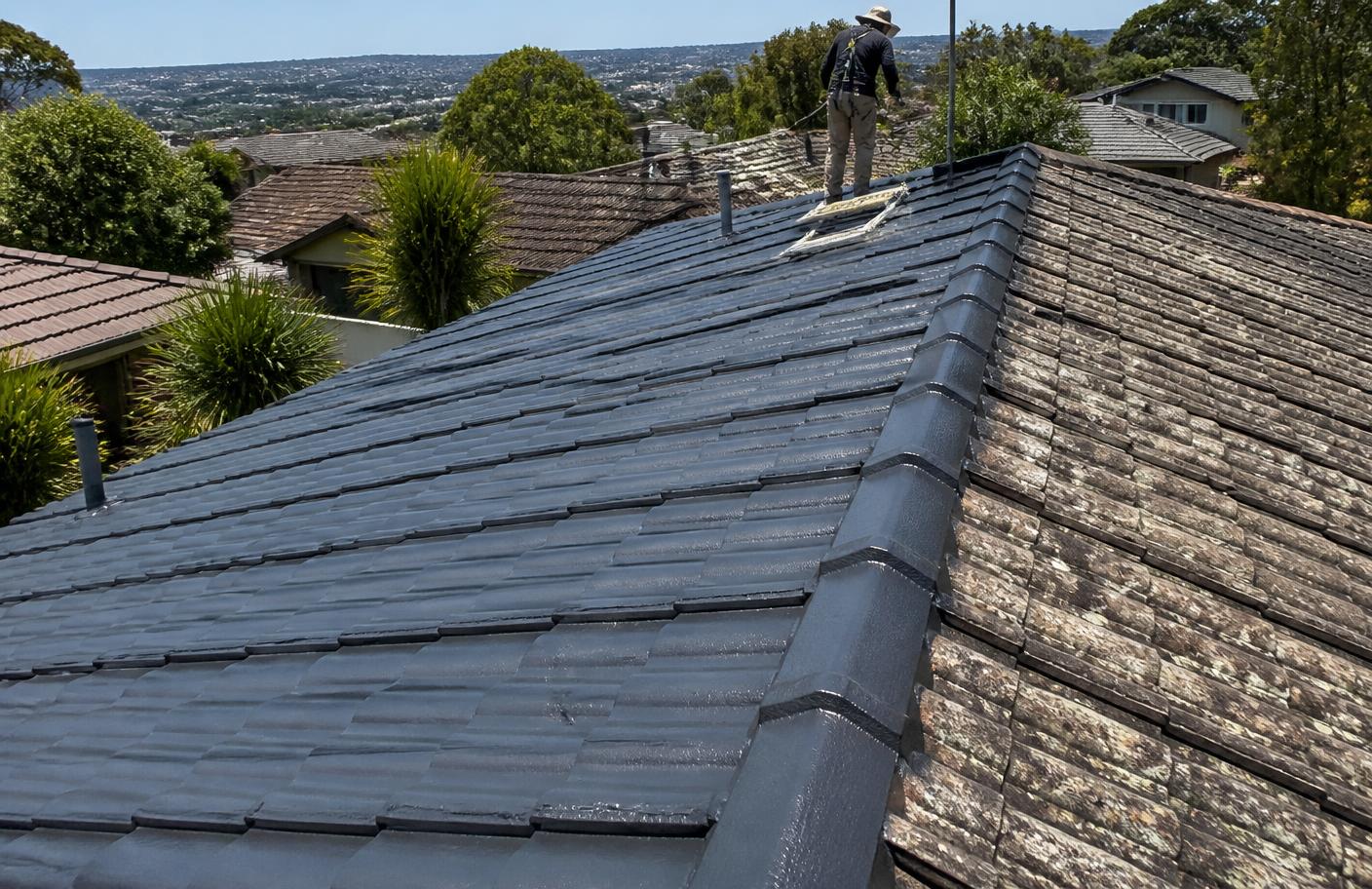
Ridge Capping and Repointing Explained
Bedding, pointing, ridge caps — the three terms roofers use interchangeably that actually mean different things, and why the distinction changes your quote.
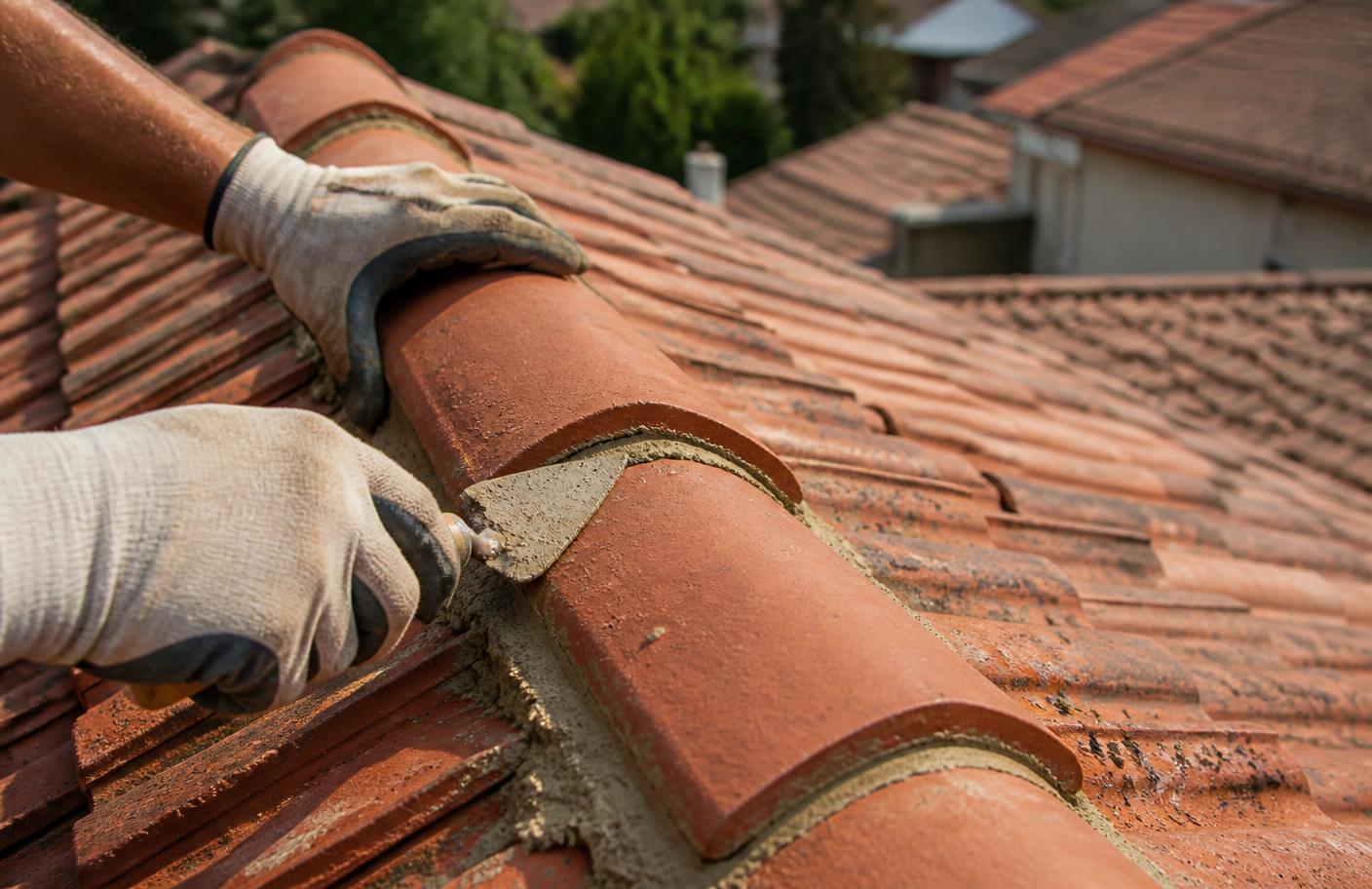
Roof repointing in Geelong deals with the most common single failure on a tile roof: the mortar that holds your ridge and hip capping in place. Bedding mortar sits under the caps and carries them; pointing is the visible compound over the top that seals the joint. Rigid mortar cracks as the roof expands and contracts, water gets into the bed, and eventually the caps loosen. We travel to your property, assess every ridge and hip line individually, and quote repointing, rebedding, or a combination depending on what each line actually needs.
Free inspection • No call-out fee • Written fixed-price quote
Roof repointing in Geelong deals with the most common single failure on a tile roof: the mortar that holds your ridge and hip capping in place. Bedding mortar sits under the caps and carries them; pointing is the visible compound over the top that seals the joint. Rigid mortar cracks as the roof expands and contracts, water gets into the bed, and eventually the caps loosen. We travel to your property, assess every ridge and hip line individually, and quote repointing, rebedding, or a combination depending on what each line actually needs.
Older tile roofs across Geelong were almost all bedded in rigid sand-and-cement mortar, long before flexible pointing compounds were available. Combine that with the region's temperature swings and it is unsurprising how universal the problem is. Suburbs with a high concentration of pre-1970s tile — Belmont, Thomson and much of East Geelong — reach the same stage together, which is why entire streets show mortar crumbs in the gutters at once.
Start with a free inspection from Roof Repair Geelong, or contact us if you want to discuss the signs you have noticed before booking.
Call Now +61 7 4428 2846Repointing work is quoted per ridge and hip line, so you can see exactly what is being done where.
Repointing does not include roof cleaning, coating or painting, replacement of field tiles across the roof, valley or flashing replacement, or structural work. If the roof needs those as well, we quote them separately so you can see what belongs to which job.
Grey fragments collecting below the ridge line are pieces of failed pointing. It is the earliest visible sign and the cheapest stage to act on, because the bedding underneath may still be sound.
Look along the ridge from the ground with the sun low. Dark gaps between cap and tile mean the seal has gone and wind-driven rain has a direct path into the roof space.
A cap that has shifted has lost its bed. It is now held largely by its neighbours and its own weight, which a strong Geelong wind will eventually overcome.
A leak that only shows up in windy rain, close to the top of the roof, points almost directly at failed ridge pointing. Ordinary vertical rain runs off the cap harmlessly.
Growth in the joint means moisture is being held there. Moss roots also widen existing cracks, accelerating the breakdown of the remaining mortar.
We walk every ridge and hip and record which lines need pointing only and which need full rebedding. Quoting a whole roof at one rate when half the lines are sound is not honest pricing.
Loose pointing is removed, and where the bed beneath has broken down the capping is lifted and the old mortar cleared out completely. Pointing over a failed bed is the most common shortcut in this trade.
Caps are re-laid on fresh bedding mortar, aligned along the line and left to set. Cracked or broken caps are replaced at this point with matched profiles.
Flexible compound is applied over the bedding in a colour matched to the roof. Unlike rigid mortar it moves with the daily expansion and contraction rather than cracking against it.
Mortar debris is cleared from gutters and valleys where it would otherwise cause blockages, and we photograph the completed lines for your records.
Pointing is the flexible outer finish that seals the edges of ridge and hip caps; bedding is the mortar base that supports them. If the bedding remains firm, removing loose material and applying new flexible pointing may be sufficient. If the cap rocks, the mortar has separated or large sections crumble by hand, repointing alone cannot rebuild the support beneath it. We test the ridge system and show you which sections need simple repointing and which require lifting and rebedding.
That distinction matters on older Geelong tile roofs. Hail can fracture caps or surrounding tiles, while movement associated with reactive clay soils can open long cracks through rigid mortar. A patch placed over movement may fail along the same line. Flexible pointing accommodates normal roof movement, but it still needs a clean, stable base and correctly seated caps. Matching discontinued tile and cap profiles may also require careful sourcing before work begins, especially in Geelong West and East Geelong.
Repointing is priced primarily on the total length of ridge and hip capping, and then on how much of that length needs full rebedding rather than pointing alone. A simple gabled roof has far fewer metres of capping than a complex hipped roof with the same floor area, which is why two similar-sized homes can differ significantly. Access and pitch affect the labour, and capping tiles that need replacing add material. We measure every line on site and put a fixed written price against the work, with rebedding and pointing shown separately.
Free on-site inspection, written fixed-price quote — no obligation.
Repointing is where corner-cutting is easiest to hide. These questions surface it.
Pointing over failed bedding looks identical on completion and fails within a couple of seasons. Ask which lines are being rebedded and make sure the answer appears in writing.
A flexible pointing compound is the current standard for good reason. Rigid sand-and-cement pointing cracks the same way the original did, just later.
Removing old mortar creates debris that goes straight into gutters and valleys. Clearing it should be part of the job, not something you discover after the next downpour.
We do not price a whole roof as if all the capping is in the same condition. You pay for rebedding where the bed has failed and pointing where it has not.
Every job we point uses a flexible compound. It is the single biggest factor in how long the work lasts through Geelong's temperature swings.
We source matching profiles for replacement caps wherever stock allows, and discuss the options with you in writing if a profile is discontinued.
The debris our work creates is our responsibility. Gutters and valleys are cleared before we leave.
You get a photographic record of each line, which matters if you sell the house or need to show a prospective buyer what has been maintained.
Three things work against rigid mortar here. The first is thermal cycling — Geelong roofs heat hard on summer afternoons and cool sharply overnight, and rigid mortar has no capacity to absorb that movement, so it develops hairline cracks that widen each season. The second is wind: elevated and open blocks around Manifold Heights and the bayside suburbs take gusts that lever at any cap that has lost its bed. The third is hail, which cracks capping and field tiles directly on impact. Once cracks form, water enters the bed, freezes on cold nights, expands and breaks the mortar further. Flexible pointing exists specifically to break this cycle — it moves instead of cracking, so water never gets into the bedding in the first place.
Do not climb onto a tiled roof to test the caps. From the ground, look for uneven cap lines, open cracks, missing chunks of mortar and fragments in gutters or on paths. Inside, note damp marks near the ridge after wind-driven rain. Photos taken with zoom can help, but a safe roof-level inspection is needed before deciding between repointing and rebedding.
Roof repointing is available across Geelong West, East Geelong, South Geelong, Drumcondra, Newtown, Thomson, Manifold Heights, Rippleside, Belmont and Breakwater, with no travel fees within the region. Established inner suburbs contain older terracotta profiles and previous mortar repairs, while postwar areas have long runs of concrete ridge capping now exposed to decades of thermal movement. Homes on reactive clay sites may show cracking after seasonal ground movement, and hail can damage caps as well as field tiles. We travel to the property, test the ridge system, identify repairable sections and explain whether repointing or full rebedding is required. Each suburb page outlines local housing and exposure, and the service areas hub provides the complete coverage list. Contact us if your suburb is nearby or if you want to describe visible mortar movement before booking. Review every covered location on our Geelong service areas page.
Contact us to confirm availability for a nearby location.
Most single-storey homes are completed in a day or two depending on the number of ridge and hip lines and how much rebedding is needed. Rebedding requires the mortar to set before pointing, so a full rebed takes longer than pointing alone.
Entirely on its own. If the tiles are still sound and only the capping system has failed, repointing is exactly the right scope and there is no reason to buy a full restoration.
Flexible pointing over properly prepared bedding lasts many years in Geelong conditions. What shortens it is pointing applied over failed bedding, which is the failure mode we see most often on other people's work.
Yes, across all ten suburbs in the service area with no travel charge and a free on-site assessment everywhere.
Yes. Pointing compound comes in a range of colours and we match on site in daylight against your existing roof, including roofs that have previously been coated.
Bedding, pointing, ridge caps — the three terms roofers use interchangeably that actually mean different things, and why the distinction changes your quote.
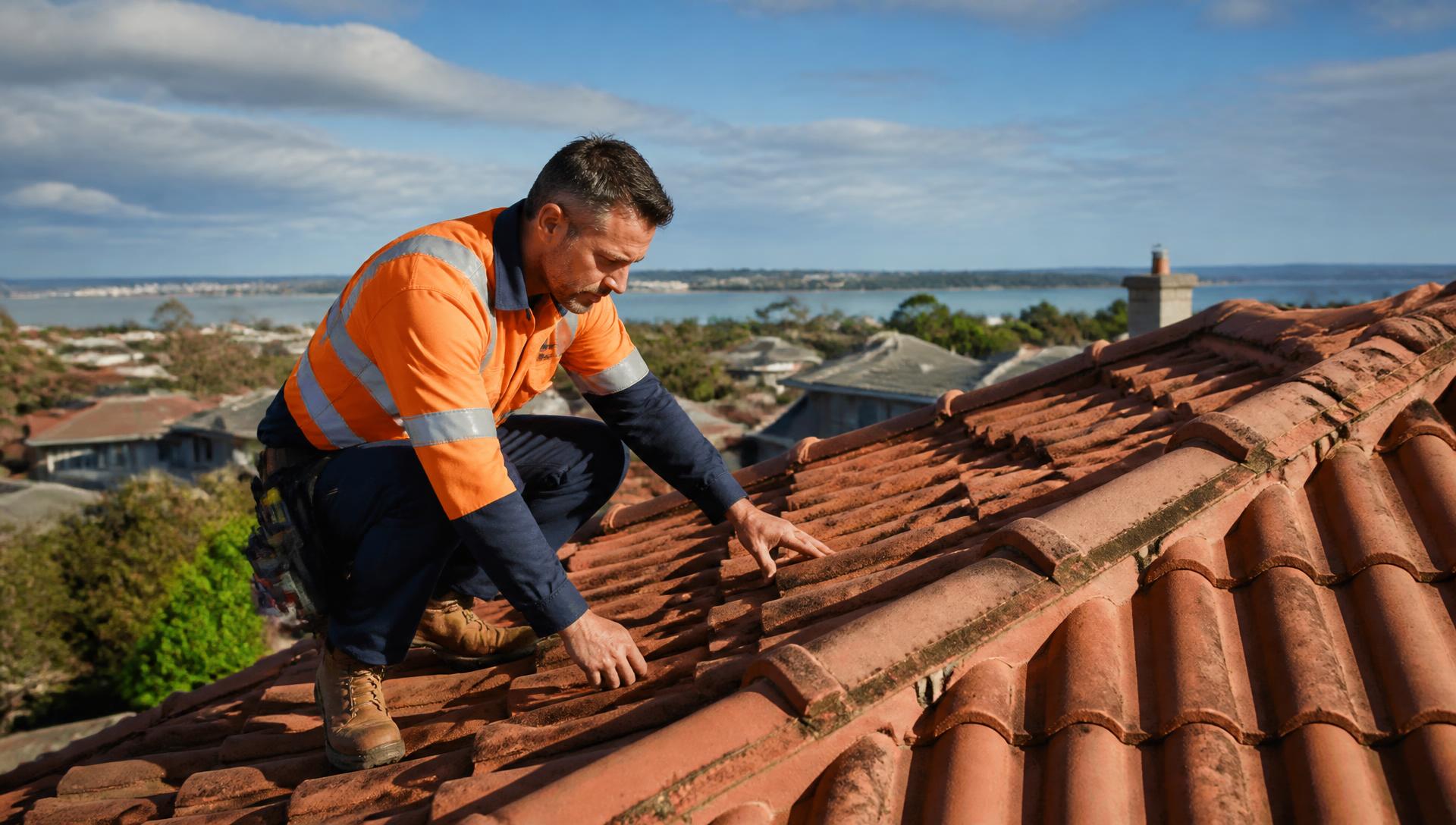
Salt off Corio Bay, hard UV and sharp overnight swings give Geelong roofs their own failure pattern. Understanding it explains what your roofer is looking at.
Step by step through a Roof Repair Geelong inspection — what we check, what you get afterwards, and why nothing is quoted before it is photographed.
⚡ Storm or hail damage? Priority response available
Call now or send the form to arrange a free on-site inspection and receive a written fixed price before we touch anything.