Roof Restoration vs Roof Replacement: How to Decide
By The Roof Repair Geelong Team · 7 July 2026 · comparison
Restoration buys years on a sound roof. Replacement is the right call when the structure underneath has gone. Here is how to tell which one your Geelong roof needs.
This is the single most common question we are asked, and the honest answer is that it depends on the condition of the roof beneath the surface, not on its age. Plenty of sixty-year-old roofs restore beautifully. Some thirty-year-old roofs need replacing.
What restoration actually is
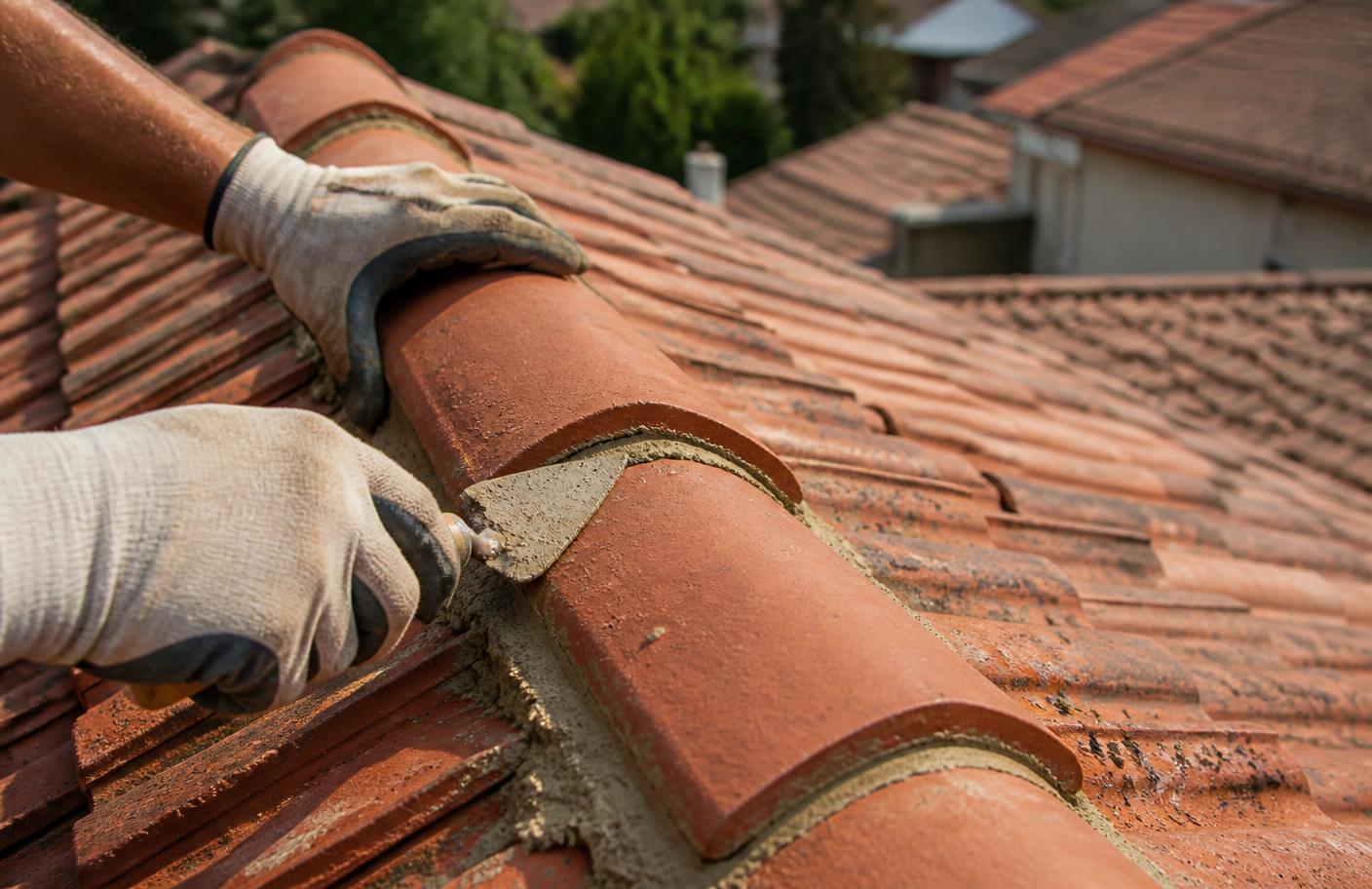
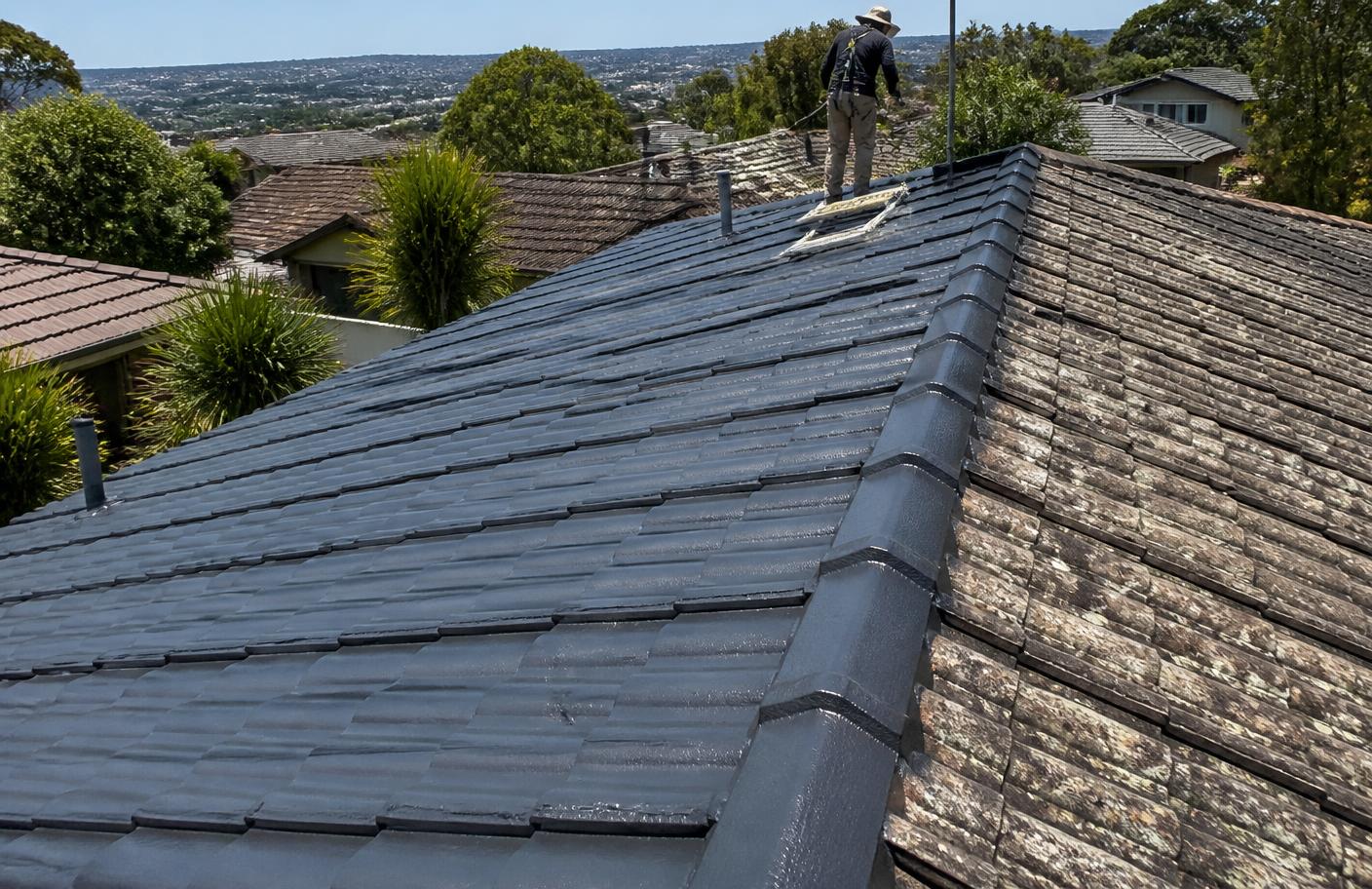
A restoration is a surface and detail renewal. Broken tiles are replaced, ridge caps are rebedded and repointed, the roof is cleaned, and a sealer and coating system is applied. On metal roofs it usually means fixings, flashings and a recoat. The structure, battens and layout all stay as they are.
What replacement actually is
Replacement means stripping the roof back, repairing or replacing battens and sarking as needed, and installing a new roof. It costs more and takes longer, and it is the only option once the substrate itself has failed.
Restoration is usually right when
- Tiles are structurally sound, with breakages limited to a manageable number
- Bedding mortar is intact under the ridge caps, even if the pointing has failed
- Battens and sarking are dry and solid when inspected from inside
- Leaks are isolated and traceable to specific defects
- The roof looks tired rather than failed
Replacement is usually right when
- Tiles have gone porous across the roof and are absorbing rather than shedding water
- Bedding has crumbled along most ridge lines, not just one or two
- Battens are soft, rotted or have been repeatedly patched
- Metal sheeting has perforated from corrosion rather than just surface-rusted
- You are already paying for repairs every year or two
The Geelong specifics
Postwar concrete tile roofs across East Geelong, Belmont and Thomson were made with a surface colour coating rather than through-body colour. Six decades on, that coating is usually gone and the tile face is raw concrete. Those roofs are often excellent restoration candidates, because the tile body itself can still be sound. Terracotta on older Geelong West and Newtown homes tends to last longer at the tile level but suffers at the bedding and valley.
Closer to the bay, in Rippleside and Drumcondra, salt accelerates corrosion on metal roofs and on the steel valley irons under tile. A metal roof that looks presentable from the street can be perforating at the cut edges and around fixings.
How to get an honest answer
Ask the roofer to show you photographs of the bedding under the ridge caps, the valley irons, the underside of the sarking and a representative tile. Those four things tell most of the story. If someone recommends a full replacement without having looked in the roof space, be cautious. If someone recommends a restoration on a roof with crumbling battens, be equally cautious.
Do not let price alone decide
Restoring a roof that needs replacing means paying twice inside a few years. Replacing a roof that only needed restoring means spending money you did not need to spend. The correct decision comes out of the inspection, not out of the budget.
How Geelong's climate shortens the gap between restoration and replacement
Two roofs of identical age can be in very different condition depending on exposure. A roof in Rippleside or Drumcondra, close to Corio Bay, deals with salt-laden wind that accelerates corrosion in valley irons, flashings and any exposed metal fixings, often years ahead of an equivalent roof further inland in Highton or Grovedale. Add Geelong's pattern of hard summer UV baking tile surfaces and pointing, followed by damp winters that give any crack a chance to let water in, and the cycle of wear is faster here than in a sheltered inland town. Hail events during storm season add a further variable, chipping coatings and occasionally cracking tiles outright, which can suddenly tip a roof that was a restoration candidate into replacement territory if the damage is widespread enough.
Postwar concrete tile versus Edwardian terracotta
The two dominant older roof types in Geelong age differently. Postwar concrete tile across East Geelong, Belmont and Thomson typically loses its surface colour coating within a few decades, leaving a porous but often structurally sound tile that restores well provided the tile body itself has not gone soft. Edwardian and interwar terracotta in Geelong West and Newtown tends to hold its colour far longer since the colour runs through the tile, but these older roofs more often show their age in cracked or slipped individual tiles, degraded bedding, and valley irons that have been in service for the best part of a century. Knowing which category your roof falls into is a useful starting point before you even get someone up on the roof, though it is never a substitute for the actual inspection.
What a proper pre-decision inspection covers
- Every ridge and hip, checking bedding condition under a sample of lifted caps, not just the visible pointing
- Valley irons and flashings, looking specifically for perforation from corrosion rather than just surface rust or discolouration
- A representative sample of tiles, checked for porosity and hairline cracking, not only obviously broken ones
- The roof space from underneath, checking battens and sarking by hand for softness, and looking for staining that indicates past or ongoing leaks
- Fixings and screws on any metal sections, since failed fixings let water in long before the sheet itself fails
Cost of getting the decision wrong
Restoring a roof that actually needed the substrate addressed means the coating and bedding work fails again within a short period, because the problem was never in the surface layer to begin with. Replacing a roof that only needed restoration is the opposite mistake, spending on a full new roof when the existing structure and tiles had years of life left in them. Both mistakes are avoidable with a proper inspection, which is why we treat the inspection itself as the most important part of this decision, not a formality before quoting.
What ongoing maintenance looks like either way
Whichever path you take, roofs are not maintenance-free afterwards. A restored roof benefits from a check every few years, particularly after severe storms, to catch any early pointing cracking or coating wear before it becomes a bigger problem. A newly replaced roof still needs its ridge lines, valleys and flashings checked periodically, since a new roof is not immune to the same salt air and UV that wore out the old one — it simply starts the clock again with a sounder structure underneath it.
Signs it is time to stop deferring the decision
Some signs are easy to see from ground level: sagging along a ridge line, tiles that look uniformly faded and rough rather than just dusty, or gutters that fill with granules or mortar debris after every storm. Others only show up from inside — a musty smell in the roof space, timber that feels soft or spongy when pressed, or daylight visible through gaps that should be sealed. If any of these are present, it is worth booking an inspection rather than waiting for the next wet winter to make the decision for you, since deferred roofs tend to fail at the least convenient time, usually during the heaviest rain of the season.
A written quote should also make clear what happens if unexpected damage is found once work starts, such as rotted battens discovered only after tiles are lifted, so there are no surprises partway through the job.
We give that assessment straight, in writing, with the photographs attached — including when the answer is that your roof does not need us yet.
Frequently Asked Questions
How long does a roof restoration last?
On a sound roof that has been properly prepared, rebedded, repointed and coated, a restoration gives many years of service. The lifespan depends on the condition of the substrate and the quality of the preparation, not on the coating alone.
Can I restore a roof that is already leaking?
Often yes, provided the leak is caused by surface and detail defects such as broken tiles, failed pointing or a rusted valley. If the leak is caused by failed battens or widespread porosity, restoration will not solve it.
Is a metal re-roof better than restoring my tile roof?
Neither is universally better. A metal re-roof changes the weight, the sound and the appearance of the house and requires a batten system suited to sheeting. It is a good option when the tile roof has genuinely reached the end of its life.
How do I know the roofer is not upselling me to a replacement?
Ask for photographs of the bedding, the valleys, the battens and the sarking, and ask them to explain what specifically rules out restoration. A defensible recommendation comes with evidence.