Gutter Problems That Quietly Damage Geelong Homes
By The Roof Repair Geelong Team · 18 August 2026 · local guides
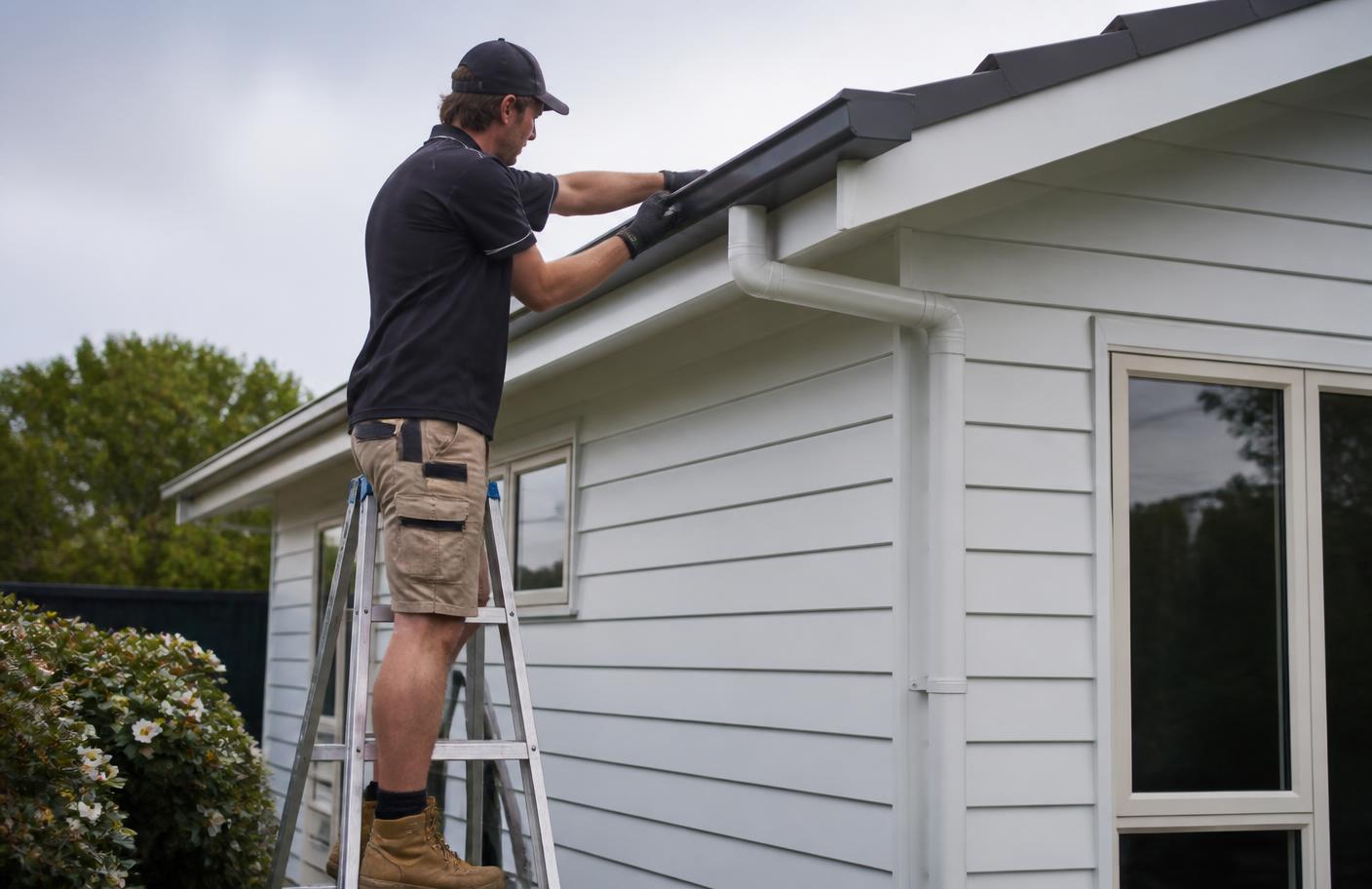
Guttering is the least glamorous part of a roof and the most common source of hidden water damage. What to look for and when it becomes urgent.
Gutters do one job: get water off the roof and away from the building. When they stop doing it properly, the damage rarely shows up as a dramatic leak. It shows up as rotted fascia, stained eaves, damp brickwork and, eventually, problems at the foundation.
Overflow in ordinary rain
Heavy downpours can overwhelm any gutter briefly. Overflow in moderate, steady rain is a fault. The three usual causes are blockage, sag, and inadequate downpipe capacity. Each has a different fix, and telling them apart requires watching where the water actually goes.
Water spilling behind the gutter
This is the damaging one. When water runs over the back edge of the gutter rather than the front, it goes straight down the fascia and into the eaves. You will not see it from the ground while it happens. You will see it months later when the eaves lining stains or the fascia paint bubbles.
Sagging between brackets
Gutters need consistent fall toward the downpipe. Brackets corrode and pull loose, particularly on the weather side of a house and in the salt-exposed suburbs near the bay. A sagging run holds standing water, and standing water accelerates corrosion from the inside.
Rust at joints and stop ends
Joints and stop-ends are where sealant fails and where water sits. Orange staining running down the outside face is corrosion already in progress. Caught early, it is a joint repair; left alone it becomes a replacement run.
Downpipes discharging against the house
A downpipe that empties at the base of a wall rather than into stormwater saturates the ground against the footing. Over years this causes far more expensive problems than the guttering itself.
Leaf litter and tree cover
Streets through Newtown, Manifold Heights and parts of Geelong West have substantial established trees, and the gutters fill continuously. Gutter guard helps but is not a substitute for clearing, and poorly fitted guard can make things worse by holding debris on top.
What repair versus replacement looks like
Isolated joint failures, a few corroded brackets and localised sag are repair work. Widespread perforation, rust through the base along a full run, or an undersized system that has never coped are replacement work. A roofer should show you photographs of the inside of the gutter, not just the outside.
Why Geelong's climate accelerates gutter failure
Corio Bay's salt-laden air is a major factor in how quickly guttering deteriorates in this region, particularly in bayside and near-coastal suburbs such as Rippleside, North Geelong and parts of Newcomb. Salt settles on brackets, screws and the internal seams of gutters, and it works on galvanised steel and even some aluminium fittings far faster than the same materials would corrode further inland. Add Geelong's hot, dry summers, which bake sealant at joints and stop-ends and make it brittle, followed by a wetter winter that tests every one of those joints under sustained rainfall, and you have a yearly cycle that specifically targets gutter seals and fixings rather than gutter capacity alone. This is why a gutter system that was adequate when installed can still fail years later even though it was never undersized for the roof.
How housing stock affects gutter problems across Geelong
Postwar homes across Bell Park, Bell Post Hill and Norlane commonly have original steel guttering that is now well past its expected service life, with corrosion concentrated at brackets and internal seams rather than being visible from the ground. Edwardian and older homes in Newtown and East Geelong often have narrower, shallower gutter profiles that were adequate for the roof areas and rainfall intensities of their era but are now regularly overwhelmed in heavier modern storm events, particularly where extensions have increased the roof catchment feeding into the original gutter run. Homes with Colorbond re-roofs typically have newer guttering as well, but poor integration between the new roof sheeting and old fascia or an under-specified gutter profile chosen to match the existing look can still cause overflow problems even on an otherwise new roof.
A practical gutter maintenance checklist
- Clear gutters at least twice a year, and more often on properties with established trees overhead.
- Run a hose test through each gutter run and downpipe to check fall and flow rather than relying on a visual check alone.
- Look along the outside face of the gutter for orange or brown staining that indicates rust starting at a joint or seam.
- Check that brackets are firmly fixed and that the gutter has consistent fall toward the downpipe, with no sections holding standing water.
- Confirm downpipes discharge into stormwater rather than against the house or onto garden beds near the footing.
- If gutter guard is fitted, check it is not itself holding leaf litter and debris on top where it can compost and hold moisture against the metal.
What a roofer checks when inspecting guttering
A thorough gutter inspection looks inside the gutter, not just from the ground. That means checking for pitting and rust-through along the base of the gutter, examining brackets for corrosion and secure fixing, checking the condition of joints and stop-ends, and confirming downpipe capacity is adequate for the roof area feeding it. On older homes, the inspection should also check whether the fascia behind the gutter shows any softening or staining, since that is often the first sign that water has already been getting behind the gutter for some time before any obvious overflow was noticed. Photographs of the gutter's internal condition give homeowners a clear, evidence-based picture of whether they are looking at a repair or a genuine replacement.
Common mistakes homeowners make with guttering
Fitting gutter guard without first repairing an ageing gutter underneath simply delays discovery of the underlying corrosion. Clearing gutters from a ladder without checking bracket condition can also be risky, since a bracket that looks intact from the ground may already be corroded through. Many homeowners also wait for a visible leak before acting, when the more damaging failures — water spilling behind the gutter into the eaves, or a downpipe saturating the ground at a footing — often produce no visible sign at all until the damage is well established.
What to do
When to call a roofer about your gutters
Some gutter issues are worth monitoring rather than acting on immediately, such as very minor overflow during an exceptionally heavy downpour that clears quickly once the rain eases. Others warrant a prompt call: overflow during ordinary, moderate rain; staining appearing on fascia boards or eaves linings; visible sagging along any part of a gutter run; or rust showing through at the base rather than just surface discolouration on the outside. Ground that stays wet near a downpipe outlet long after rain has stopped is also worth having checked, since it usually points to a discharge problem rather than simply saturated soil. Addressing these while they are still gutter-level issues avoids them becoming fascia, eaves or footing problems, which are considerably more disruptive to repair.
Clear the gutters before the wet season, watch how they behave in ordinary rain, and get anything that overflows or sags looked at while it is still guttering work rather than fascia and eaves work. We inspect guttering as part of every roof inspection, free, and quote repairs and replacement separately so you can see the difference.
Frequently Asked Questions
How do I know if my gutters need replacing rather than repairing?
Isolated joint leaks, loose brackets and localised sag are repairable. Rust through the base along a full run, widespread perforation or a system that has never coped with the roof area point to replacement.
Does gutter guard stop me needing to clear the gutters?
No. It reduces how often and how badly they fill, but debris still collects on top and around it. Poorly fitted guard can make the problem worse.
Why is water running down my wall when it rains?
Usually water is spilling behind the gutter or a downpipe joint has failed. Both are fixable, and both cause real damage if left.
Do you inspect gutters as part of a roof inspection?
Yes. Guttering is part of every free inspection we do, and any gutter work is quoted as a separate itemised line so you can see exactly what it covers.