
Autumn Roof Maintenance for Geelong Homeowners
By The Roof Repair Geelong Team · 8 September 2026 · seasonal tips
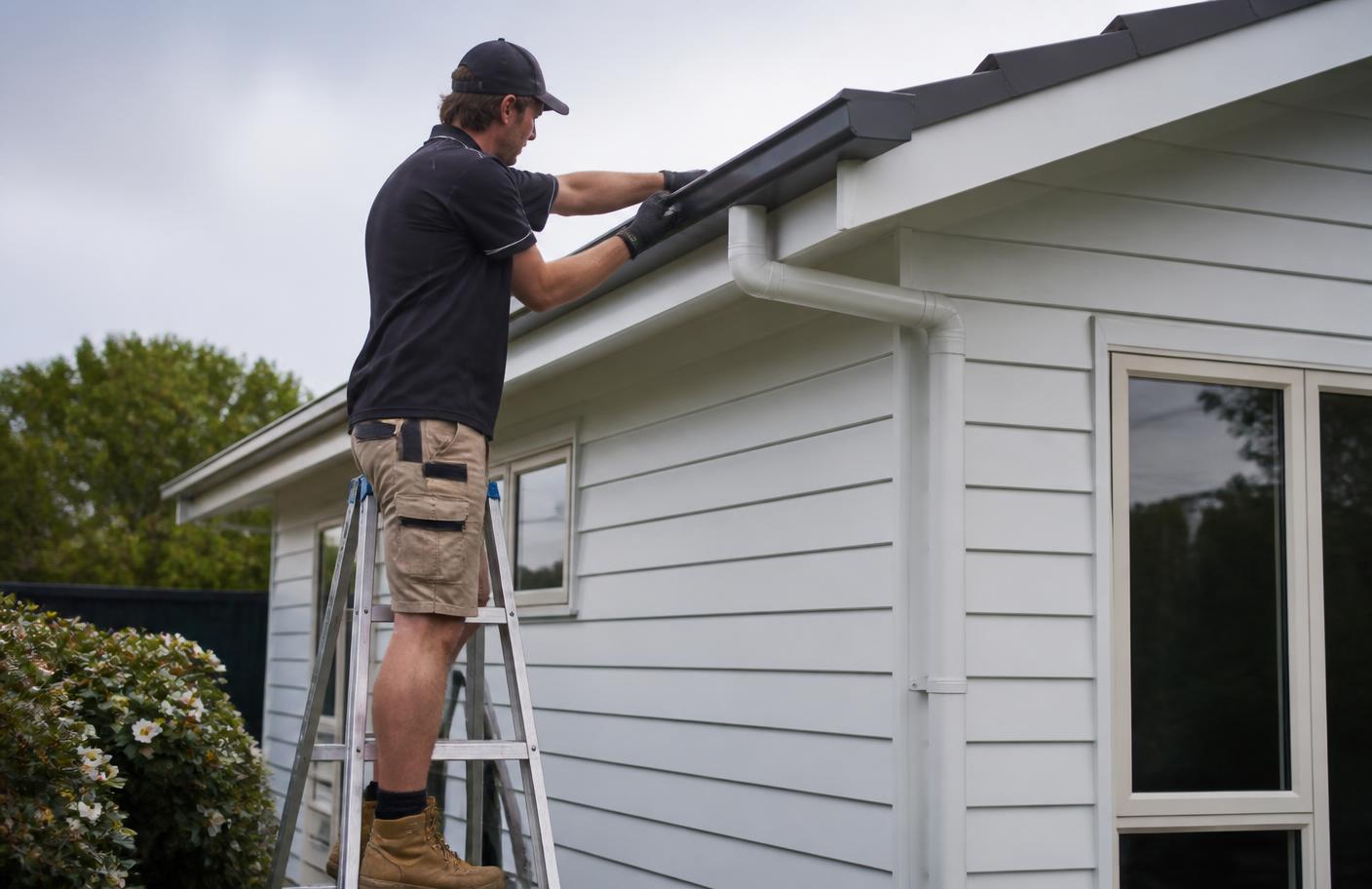
Autumn is the best window of the year for roof work in Geelong. What to do while the weather is settled and before the westerlies arrive.
There is a short period each autumn when Geelong weather is settled enough for roofing work but the wet, windy months are still ahead. It is the best time of the year to deal with anything you have been putting off, and the worst time to discover you have left it too late.
Deal with the leaf load
Deciduous trees drop through autumn, and gutters fill faster than at any other point in the year. Clearing them once in early autumn and again at the end of the fall is far more effective than one clean in between. Check the downpipes as well — a clear gutter feeding a blocked downpipe still overflows.
Get the ridge line sorted
Repointing and rebedding need dry conditions to cure properly. Autumn gives you that window. Failed pointing that survives a mild summer often does not survive its first serious westerly, and a ridge cap lost in a storm is a far bigger problem than the repointing would have been.
Treat moss and lichen before winter
Growth on south-facing planes accelerates through the damp months. Treating it in autumn, before the wet sets in, limits how much establishes over winter. On porous concrete tile this genuinely slows deterioration.
Check the flashings
Chimneys, skylights, vents and anywhere the roof meets a wall are the points that leak first in driven rain. Autumn is the time to have the sealant and flashing condition checked, while there is still a dry stretch long enough to fix anything found.
Look at the valleys
Valleys carry the highest water volume on the roof and collect the most debris. A valley that is partly blocked with leaf litter backs water up under the tiles each side, and that is a leak path that only reveals itself in heavy rain. Valley irons on older Geelong tile roofs also rust from the underside, so their condition matters.
Book any bigger work now
Restorations, re-roofs and roof painting all need multiple dry days. Booking those in autumn means they happen in usable weather rather than being pushed back repeatedly through winter. Roofing calendars fill quickly once the first storms arrive.
Do the photographic record
Take dated photographs of the roof from several angles while it is in known condition. If a winter storm damages it, having a clear before record makes documenting the change straightforward.
Why Geelong's autumn window matters more than other regions
Geelong sits close enough to Corio Bay that salt-laden wind is a constant factor in how a roof ages, and autumn is the season when that exposure and the coming wet weather overlap. Salt carried on the breeze settles on metal fixings, ridge capping and exposed fasteners, and it accelerates corrosion far faster than an equivalent roof would age inland. Through summer, UV exposure dries out sealants and bakes flexibility out of flashings, so by the time autumn arrives, those materials are often at their most brittle and least able to cope with the first real rain events. Getting a roof assessed and any repairs done in the autumn window means work happens before that brittleness meets sustained moisture, rather than after.
Housing stock differences across Geelong suburbs
The type of roof you have changes what autumn maintenance should focus on. Postwar concrete tile roofs, common through Bell Park, Bell Post Hill and Norlane, are heavy and generally stable, but their mortar bedding and pointing degrade with age and need checking every few years rather than assumed sound. Edwardian and older terracotta tile roofs, more common in the established pockets of Newtown and East Geelong, have their own issues — tiles that have become porous with age, and terracotta's tendency to crack under point loads such as foot traffic during gutter clearing. Colorbond re-roofs, increasingly common across newer estates in Armstrong Creek and Charlemont, age differently again — their risk points are fastener corrosion, sealant life at penetrations, and movement at ridge and barge flashings rather than tile or mortar failure. A useful autumn inspection should be tailored to which of these applies to your home rather than treating every roof the same way.
What a roofer actually checks during an autumn inspection
A proper inspection is more than a look from the driveway. On site, a roofer should get onto the roof itself and check the condition of ridge and hip pointing or screws, the state of flashings around chimneys, vents and skylights, the condition of valley irons and valley lining, and whether any tiles are cracked, slipped or missing. In the roof space, they should look at the sarking or building paper for staining that indicates a slow leak, check batten condition where visible, and look for daylight showing through gaps that should be sealed. On metal roofs, they check fastener condition, look for corrosion starting at cut edges and screw heads, and check that ridge capping and flashings have not lifted or moved with expansion and contraction over summer. Guttering and downpipes get checked for capacity, fall and blockage as part of the same visit, because a roof and its drainage cannot really be assessed separately.
Common mistakes homeowners make going into autumn
- Waiting until the first heavy rain event to check the roof, rather than before it, when repairs are still straightforward and dry weather is available for the work.
- Clearing gutters once and assuming the job is done for the season, when a second clean later in autumn is usually needed as more leaves fall.
- Walking on tiled roofs without knowing where it is safe to step, which cracks tiles that were otherwise sound.
- Treating visible moss as a cosmetic issue rather than a sign of moisture retention that is already affecting the tile or sarking underneath.
- Assuming a roof that "looks fine" from the ground has no issues, when most early defects are only visible from on the roof or inside the roof space.
- Delaying flashing repairs because there is no visible leak yet, when a compromised flashing is often a matter of when it leaks, not if.
Building a simple seasonal maintenance record
Beyond the one-off photographic record, it is worth keeping a running note of what was checked or repaired each autumn — pointing redone, valleys cleared, gutters cleaned, any tiles replaced. Over several years this record shows you which parts of the roof are ageing fastest and lets a roofer plan future work around genuine wear patterns rather than guesswork. It also becomes valuable documentation if you sell the property or make an insurance claim after a storm, since it demonstrates the roof was properly maintained rather than neglected.
The one-hour version
If you only do three things this autumn: clear the gutters and downpipes, have the ridge pointing checked, and get the valleys cleared. Those three cover the majority of the winter call-outs we attend.
When to call a roofer rather than wait
Some findings can genuinely wait until spring, and some cannot. A little surface lichen on a south-facing tile plane, or a downpipe that runs slightly slower than the others, can usually be scheduled in without urgency. Signs that warrant a call straight away include any staining appearing inside on ceilings or cornices, ridge caps that have visibly shifted or that rock when gently tested, valley irons showing rust-through rather than surface rust, and any area where daylight is visible through the roof from inside. The distinction matters because Geelong's roofing trade gets busy very quickly once the first serious autumn storms roll in off the bay, and a defect left over winter tends to get considerably worse before it gets fixed.
We inspect free across Geelong and will tell you honestly what needs doing before winter and what can safely wait until spring.
Frequently Asked Questions
Why is autumn the best time for roof work in Geelong?
The weather is settled enough for materials to cure and for a roof to be safely opened, while the wet and windy months are still ahead. Work booked in autumn happens on schedule rather than being pushed back by weather.
How many times should gutters be cleared in autumn?
Twice is ideal where there are deciduous trees — once early in the fall and once after it finishes. One clean in the middle leaves you blocked again before winter.
Can repointing be done in winter?
It can, but it needs a dry window for the material to cure properly, and those windows are shorter and less predictable. Autumn gives a much better result.
What is the single most valuable autumn job?
Clearing the gutters, downpipes and valleys. Blocked water paths cause the majority of the winter water damage we are called out to.